Why Are Windows Made of Glass?

Why are windows made of glass when glass can crack, conduct heat, and create glare? The answer begins with a practical balance. Glass admits daylight, preserves outdoor views, and blocks wind and rain. It also supports ventilation when designed as an operable unit. A clear pane can turn a dim room into a workspace at 8 a.m. Few common building materials perform all these roles so visibly.

Yet windows and glass are not automatically energy efficient. The U.S. Department of Energy reports that heat gain and heat loss through windows account for about 25%–30% of residential heating and cooling energy use. The International Energy Agency’s Buildings sector analysis also identifies building envelopes as important targets for reducing energy demand and emissions. These findings explain the shift from single glazing toward insulated glass units, low-emissivity coatings, warm-edge spacers, and carefully selected frames. A double-glazed window creates an insulating air or gas layer between panes. Low-emissivity coatings reduce unwanted radiant heat transfer without eliminating daylight.

Performance still depends on the details. The National Fenestration Rating Council evaluates products through measures such as U-factor, solar heat gain coefficient, and visible transmittance. A low U-factor generally indicates better insulation, while solar control must match the local climate. A sunny south-facing window may need shading; a cold northern façade may prioritize heat retention. The simple claim that “more glass is better” is incomplete. Glass can save lighting energy, but poor orientation, weak seals, or excessive area can undermine those gains. Understanding why windows are made of glass means accepting both their elegance and their limits.
Why Are Windows Made of Glass?

What Windows Are and Why Glass Became Their Main Material

Why Are Windows Made of Glass?

What Windows Are and Why Glass Became Their Main Material

A window is more than a hole in a wall. It is a building component that controls light, views, airflow, heat, and safety. During home inspections, I look for condensation, loose frames, cracked panes, and damaged seals. These small details often reveal larger problems with insulation or moisture control. Glass became the main window material because it is transparent, rigid, and relatively stable. It allows daylight indoors while blocking wind, rain, dust, and insects. It also keeps an opening sealed without completely losing the outdoor view.

Glass is not perfect. It can break, lose heat, and create glare on sunny afternoons. Still, modern window glass can be layered, coated, or combined with air spaces. Double glazing, for example, reduces heat transfer between the room and outside air. Laminated glass can hold together after impact, while tempered glass breaks into smaller pieces. These choices depend on climate, building use, and safety requirements. I once noticed a cold indoor corner near an old window, even though the frame looked sound. The problem was probably the glass system, not the wall. That was a useful reminder: appearance can mislead.

Tips: Check for moisture between panes, which may indicate a failed seal. Feel for drafts around the frame on a windy day. Clean glass improves daylight, but it cannot fix poor insulation. Consider shading, too. Clear glass alone may make a room uncomfortably hot.

How Glass Lets in Light While Keeping Buildings Enclosed

Why Are Windows Made of Glass?

Glass lets daylight enter while creating a firm boundary between people and the outdoors. Its transparency comes from a structure that allows visible light to pass through with limited scattering. A window can brighten a room without opening a physical gap in the wall. This matters in homes, schools, offices, and hospitals where natural light supports comfort and visibility.

Glass also helps control the indoor environment. Double-glazed windows place an insulating air or gas space between two panes. This layer slows heat transfer during cold and hot weather. Special coatings can reduce glare and block part of the sun’s ultraviolet and infrared energy. Frames, seals, and installation quality matter just as much. Even excellent glass performs poorly when air leaks around its edges.

It is tempting to call glass invisible, but that description is incomplete. Reflections, fingerprints, rain, and changing sunlight make its presence obvious. Glass can break, overheat interiors, and create uncomfortable glare. Laminated or tempered forms improve safety, yet they do not remove every risk. From a building design perspective, the best window balances daylight, insulation, ventilation, privacy, and strength. That balance is difficult. A bright room may still need curtains, shading, or careful orientation. Our first impression of glass is simple, but its performance depends on many quiet details.

Why Are Windows Made of Glass?

Visible Light Transmission in Common Architectural Glazing

Glass keeps a building enclosed while allowing daylight to pass through. Clear glass transmits the most visible light, while double glazing, tinted glass, and low-emissivity coatings reduce transmission to improve insulation, solar control, and indoor comfort. The values shown are representative visible-light-transmittance levels for commonly used architectural glazing configurations.

The Historical Development of Glass Windows

Why Are Windows Made of Glass?

The Historical Development of Glass Windows

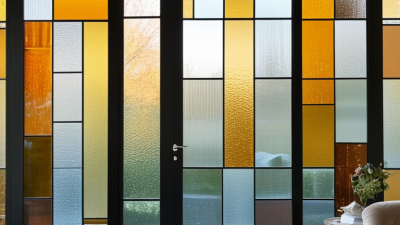
Early windows were not transparent in the modern sense. Roman buildings used small glass panes by the first century CE, but production remained costly and uneven. Many openings still used thin stone, animal skin, or wooden shutters. Medieval craftsmen later shaped colored glass into religious scenes. Light entered softly, although clear outdoor views were rare.

The story changed during the seventeenth and eighteenth centuries. Better casting and polishing methods produced larger panes with fewer distortions. In the nineteenth century, industrial sheet glass made windows more affordable for homes, schools, and factories. The major shift came with float glass production in the twentieth century. This process created flatter, clearer surfaces at scale. It also supported insulated glazing and modern low-emissivity coatings. The timeline is not perfectly tidy. Regional workshops often used older methods for decades.

Glass remains useful because it admits daylight, blocks wind, and can be engineered for safety and insulation. The International Energy Agency reports that buildings consumed about 30% of global final energy in 2022. The U.S. Department of Energy estimates windows can cause 25–30% of residential heating and cooling energy use. Those figures make historical design choices feel surprisingly current.

Tips: Check glass orientation, frame condition, and visible condensation before replacing a window. A professional energy assessment can reveal whether the main weakness is the pane, frame, or installation. New glass alone is not always the best answer.

Why Are Windows Made of Glass? - The Historical Development of Glass Windows

Major milestones in the development of glass windows and their changing functions.
Period Development Typical Form Main Purpose Historical Significance
Around 1500 BCE Early transparent or translucent glass objects were produced in the ancient Mediterranean and Near East. Small, thick, uneven pieces rather than clear window panes. Decoration and light transmission in elite settings. Glass existed before it became practical for ordinary architectural windows.
1st–4th centuries CE Glassmaking techniques allowed limited production of cast and blown window pieces in the Roman world. Small square or irregular panes, often greenish and cloudy. Admitting daylight while reducing wind, dust, and rain. Glass windows became associated with wealthy houses, public buildings, and baths.
5th–10th centuries After the decline of Roman centralized production, window glass remained limited and was often preserved in religious architecture. Small panes held by stone, wood, or metal supports; colored glass was common. Light, symbolism, and protection from weather. Windows served both practical and spiritual functions in medieval buildings.
11th–13th centuries Growth of cathedral building increased demand for colored and patterned glazing. Small leaded panels with colored glass and painted details. Illumination, storytelling, and visual decoration. Lead came made it possible to assemble many small pieces into larger window designs.
15th–17th centuries Improved furnace operation and glass-forming methods produced more usable flat glass. Crown glass and larger small panes, though thickness and clarity varied. Daylight, ventilation, and greater comfort in homes and civic buildings. Glass windows gradually expanded beyond religious buildings and the wealthiest residences.
17th–18th centuries Casting and polishing methods produced relatively large, flatter panes for architecture. Rectangular panes with improving transparency and surface quality. More daylight and wider views through larger openings. The size of windows began to increase as manufacturing became more reliable.
19th century Cylinder and sheet-glass processes enabled more standardized and affordable production. Larger panes with fewer visual distortions than earlier hand-made glass. Natural lighting, ventilation, sanitation, and improved indoor working conditions. Industrial production helped make glass windows common in urban housing and public buildings.
Early 20th century Mechanical drawing and rolling methods improved the consistency and scale of flat-glass production. Broad sheets suitable for larger residential and commercial openings. Visibility, daylight, hygiene, and architectural openness. Glass became a standard building material rather than a luxury feature.
1930s–1950s Insulating glass units and continuous float-glass production were developed and later adopted more widely. Flatter, more uniform panes; two panes could be separated by a sealed air space. Daylight combined with improved thermal insulation. Modern flat glass became clearer, larger, more uniform, and easier to manufacture at scale.
1970s–present Energy-focused technologies introduced coatings, laminated glass, tempered glass, and advanced insulated units. Safety glass, double or triple glazing, solar-control coatings, and low-emissivity surfaces. Light and views while limiting heat loss, solar gain, noise, and injury risk. Glass windows now balance transparency, weather protection, energy performance, safety, and design.
Key idea: Glass became the preferred window material because it allows daylight and views while creating a durable barrier against wind, rain, dust, and temperature changes. Improvements in manufacturing gradually made it larger, clearer, safer, and more energy efficient.

How Window Glass Is Manufactured and Improved

Why Are Windows Made of Glass?

How Window Glass Is Manufactured and Improved

Window glass begins as a carefully measured mixture of silica sand, soda ash, and limestone. In a furnace, temperatures can exceed 1,500°C. The ingredients melt into a clear, flowing liquid.

The liquid glass moves across a bath of molten tin. This method creates a flat, smooth surface with consistent thickness. It then passes through a controlled cooling zone called an annealing lehr. Slow cooling reduces internal stress and helps prevent sudden cracking. Technicians inspect the sheets for bubbles, scratches, and small distortions before cutting them.

The process is precise, but not flawless. A tiny surface mark can affect appearance and strength. That detail matters in real buildings, where sunlight reveals every weakness. Manufacturers improve performance through tempering, lamination, and insulating glass units. Tempered glass is heated and rapidly cooled, making it stronger and safer when broken. Laminated glass holds together with a clear inner layer. Double- and triple-glazed units trap air or inert gas between panes, reducing heat transfer.

Coatings can reflect unwanted solar energy while allowing daylight inside. Low-emissivity coatings also help retain indoor warmth during colder weather. However, glass improvement involves trade-offs. Heavier units require stronger frames, and advanced coatings demand careful handling. Good window design depends on climate, orientation, ventilation, and installation quality—not glass alone.

Why Different Buildings Use Different Types of Window Glass

Why Are Windows Made of Glass?

Why Different Buildings Use Different Types of Window Glass

Glass is transparent, durable, and easier to clean than many alternatives. Yet its real value changes with the building’s location, use, and energy goals.

The International Energy Agency reports that buildings consumed about 30% of global final energy in 2022. Windows influence that demand through heat loss, solar gain, and daylight.

A small apartment may use double glazing with a low-emissivity coating. This design slows indoor heat from escaping during winter.

In warmer climates, tinted or solar-control glass can reduce the sun’s intense afternoon heat. The U.S. Department of Energy estimates that windows cause 25–30% of residential heating and cooling energy use. That figure makes glass selection more than an aesthetic decision.

Tall offices often need laminated glass, insulated units, or stronger safety glazing. Laminated glass can hold together after impact, while insulated units reduce noise and temperature transfer.

Performance is measured through U-factor and solar heat gain coefficient. The National Fenestration Rating Council uses these values for comparative ratings. ASHRAE Standard 90.1 also sets climate-based envelope requirements for many commercial buildings.

However, numbers do not solve every design problem. A highly coated window may reduce heat gain but create a darker room. Poorly chosen glass can also produce glare, reflections, or unexpected indoor heat. The best specification remains a careful balance.

About Us

Andy’s Glass & Window Company of Temecula Valley has been servicing the glass, window and door needs of Southern California since the 1970′s. Operating from a 10,700sf commercial building in Murrieta, California, a neighboring town of Temecula.

Contractor’s License #821172

Andy’s Glass & Window Company

25751 Jefferson Ave, Murrieta, CA 92562

(951) 677-7421

sale@johnsonwindowtint.com

Store Hours:
Monday - Thursday 8:00 am - 5:00 pm
Friday 8:00 am - 4:30 pm
Closed Saturday & Sunday

Visit Us

Contact Information
Andy's Glass & Window Company